
AI and Advanced Laser Technology: The Future of Laser Hair Removal
- Posted by Dermaworld
- 09 October 2026
- Laser Hair Reduction
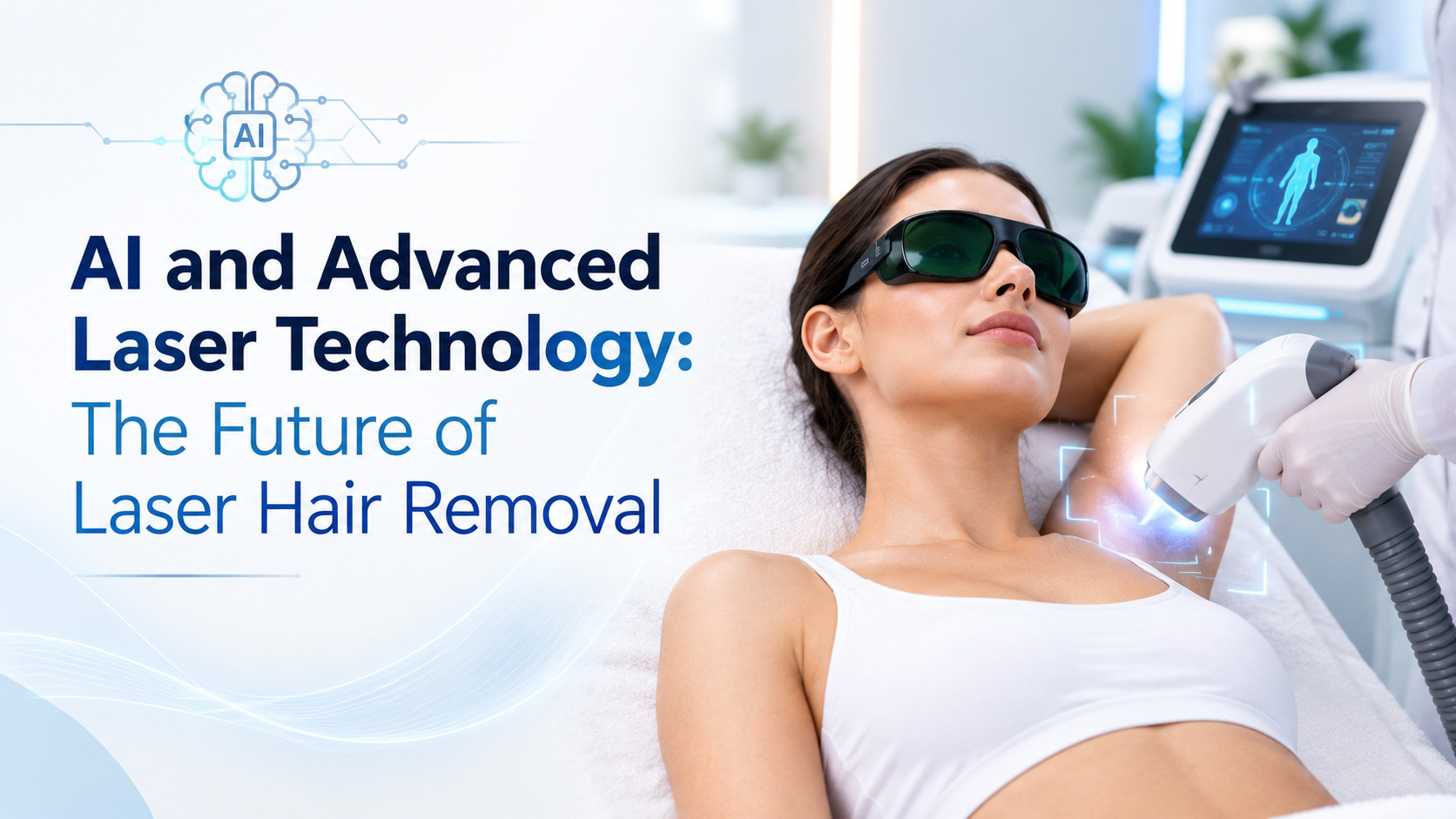
The beauty and skincare industry is evolving rapidly with the introduction of artificial intelligence (AI) and advanced laser technology. Laser hair removal has become a popular choice for people seeking long-term hair reduction without the hassle of frequent shaving, waxing, or threading. With continuous technological advancements, modern laser treatments are becoming more personalized, efficient, and comfortable.
The integration of AI-driven technologies, intelligent skin analysis, and advanced laser systems is shaping the future of laser hair removal. These innovations are helping skincare professionals make informed treatment decisions while improving the overall patient experience.
How AI Is Transforming Laser Hair Removal
Artificial intelligence is influencing aesthetic treatments by supporting skin assessment, treatment planning, and patient monitoring. Although AI does not replace a qualified dermatologist or trained laser professional, it can assist in making treatment procedures more personalized.
1. AI-Powered Skin and Hair Analysis
One of the most promising applications of AI is automated skin and hair analysis. AI-assisted imaging tools can help assess skin characteristics, hair density, and hair growth patterns. This information may support professionals in determining a suitable treatment approach.
Since skin tone, hair thickness, and hair color influence laser hair removal results, a detailed assessment is essential before beginning treatment. AI-supported analysis can complement professional evaluation and help create a more individualized treatment plan.
2. Personalized Laser Treatment Plans
Every individual has different hair growth patterns, skin characteristics, and treatment goals. AI-assisted systems may help organize patient information and support customized treatment planning.
Based on professional assessment, factors such as treatment area, hair thickness, skin tone, and previous session responses can guide decisions about laser settings and session intervals. However, treatment parameters should always be selected and monitored by qualified professionals rather than relying solely on automated recommendations.
3. Improved Treatment Monitoring
Tracking progress is an important part of laser hair removal. AI-assisted imaging and digital documentation may help professionals compare hair growth and treatment progress across multiple sessions.
These tools can make it easier to evaluate changes over time and determine whether a treatment plan needs adjustment. Consistent monitoring also helps patients develop realistic expectations about the number of sessions required.
Advanced Laser Technology: Making Hair Removal More Effective
Alongside AI, developments in laser technology are expanding treatment options for different skin tones and hair types.
1. Advanced Diode Laser Technology
Diode lasers are widely used for laser hair removal because they can target melanin within hair follicles. Modern diode laser systems may incorporate improved cooling mechanisms, controlled energy delivery, and adjustable settings to support treatment comfort and consistency.
The appropriate laser system depends on the individual's skin tone, hair characteristics, and treatment area. A professional assessment is particularly important for people with darker skin tones, as selecting suitable equipment and settings helps reduce the risk of burns and pigmentation changes.
2. Nd:YAG Laser for Different Skin Tones
Nd:YAG lasers, particularly long-pulsed 1064 nm systems, are often considered for treating darker skin tones because their wavelength interacts differently with melanin in the skin.
When used by experienced professionals with appropriate settings, these systems can provide an effective option for long-term hair reduction. The choice between diode, Nd:YAG, and other suitable laser systems should be based on individual skin and hair characteristics rather than the assumption that one technology is best for everyone.
3. Intelligent Cooling Systems for Greater Comfort
Modern laser hair removal devices may include contact cooling, cooling tips, or other integrated cooling technologies to help protect the skin and improve comfort during treatment.
Some advanced systems also feature temperature monitoring and controlled energy delivery. These features can help support a more comfortable experience, although results depend on the equipment, treatment settings, and individual sensitivity.
4. Faster Treatments for Larger Areas
Technological improvements in laser handpieces, repetition rates, and treatment spot sizes can make it possible to treat larger areas more efficiently.
This can be particularly beneficial for people considering full-body laser hair removal or treatments for the back, chest, legs, and arms. Actual treatment time varies according to the size of the area, hair density, equipment, and the professional's technique.
The Role of AI in Laser Hair Removal Safety
Safety remains one of the most important considerations in aesthetic procedures. AI-assisted analysis may support treatment decisions, but it cannot independently guarantee safe outcomes.
Modern laser hair removal requires appropriate equipment, trained operators, suitable settings, and careful attention to individual risk factors.
Before treatment, professionals should assess skin tone, recent tanning, medications, medical history, and any relevant skin conditions. Protective eyewear is essential, and patients should receive clear pre-treatment and aftercare instructions.
Potential side effects include temporary redness, swelling, discomfort, and, less commonly, burns or changes in skin pigmentation. Choosing a qualified provider and following recommended precautions can help reduce these risks.
What Does the Future Hold for Laser Hair Removal?
The future of laser hair removal is likely to involve greater personalization, smarter treatment support, and more connected patient care.
Predictive treatment planning: Digital systems may increasingly help estimate treatment progress using information from previous sessions, although individual results will continue to vary.
Smarter device monitoring: Improved sensors and automated controls may help monitor device performance and support consistent energy delivery.
Digital patient records: Connected systems may allow professionals to document treatment settings, track progress, and review patient feedback more efficiently.
More personalized skincare: Combining professional skin assessments with digital tools may help providers tailor treatment schedules and aftercare recommendations to individual needs.
These developments have the potential to improve treatment planning and patient experience. However, the benefits of any AI-enabled feature depend on clinical validation, the quality of the equipment, and appropriate professional supervision.
Is AI-Powered Laser Hair Removal Right for You?
AI-supported tools and advanced laser systems may offer useful advantages, but the best treatment is not necessarily the newest or most expensive technology.
Before choosing a laser hair removal clinic, consider the following:
-
Whether qualified professionals assess your skin and hair before treatment.
-
Whether the clinic uses appropriate laser technology for your skin tone and hair type.
-
Whether the equipment has suitable cooling and safety features.
-
Whether the provider explains the expected number of sessions, possible side effects, and aftercare.
-
Whether your progress is monitored throughout the treatment course.
Laser hair removal usually requires multiple sessions because hair follicles respond differently depending on their growth cycle. The treatment is best understood as long-term hair reduction rather than a guarantee of permanent, completely hair-free skin. Maintenance sessions may be needed.
Final Thoughts
AI and advanced laser technology are opening new possibilities for the future of laser hair removal. From AI-assisted skin analysis to improved diode and Nd:YAG laser systems, technological innovation is helping professionals explore more personalized approaches to hair reduction.
However, successful treatment depends on more than technology alone. Professional expertise, appropriate equipment, realistic expectations, and individualized care remain essential.
If you are considering laser hair removal, consult a qualified dermatologist or experienced laser professional to understand which treatment approach is appropriate for your skin tone, hair type, and personal goals. With the right assessment and treatment plan, modern laser technology can be a valuable option for achieving smoother skin and reducing unwanted hair over time.
Recent Posts
- AI and Advanced Laser Technology: The Future of Laser Hair Removal
- Laser Hair Removal for Men: Back, Chest, and Beard Grooming
- Diode vs Nd Laser: Which Is Better for Indian Skin?
- Is Laser Hair Removal Safe for Indian Skin Tone? Your Guide to Smooth Skin
- Bikini Laser Hair Removal: A Convenient Solution for Smooth, Comfortable Skin
Other Blogs
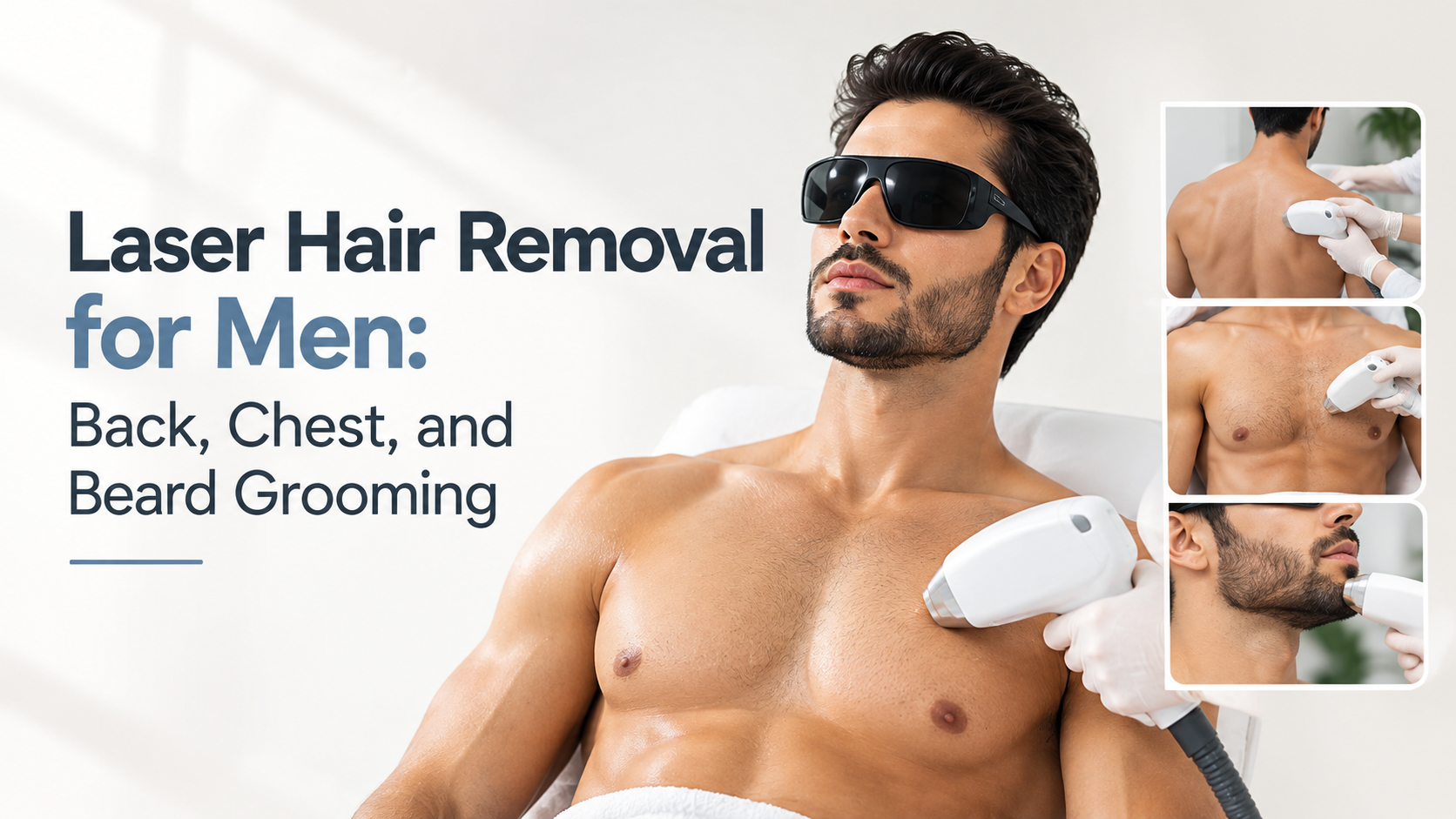
Laser Hair Removal for Men: Back, Chest, and Beard Grooming
- Posted by Dermaworld
- 17 September 2026
Men’s grooming is no longer limited to haircuts and shaving. Many men are now looking for practical ways to manage unwanted body and facial hair without constantly relying on razors, waxing, or trimming.
...
Diode vs Nd Laser: Which Is Better for Indian Skin?
- Posted by Dermaworld
- 01 September 2026
Laser hair removal has become a popular solution for people who want smoother skin and long-term reduction in unwanted hair. However, choosing the right laser technology is especially important for Indian skin, which generally falls across a wide ...

Is Laser Hair Removal Safe for Indian Skin Tone? Your Guide to Smooth Skin
- Posted by Dermaworld
- 25 August 2026
If you've been researching Laser Hair Removal in Delhi, chances are you've also come across a common worry: "Will this treatment actually work on my skin tone, or will it cause burns and dark patches?" It's a fair question.
...